
TDS stands for total dissolved solids and it is measured in parts per million. Tap water in most of Denbighshire runs somewhere in the low hundreds. Water that will dry on glass without leaving a mark needs to be at or very near zero. That is the whole idea: take everything out of the water so there is nothing left behind when it evaporates.
DI means deionisation, which is resin in a vessel that strips the minerals out. It is simple, it needs no pressure and no plumbing, and it works. The problem is cost. Resin is expensive and it exhausts in proportion to how dirty the incoming water is, so running DI alone on hard supply is like heating a house with the windows open.
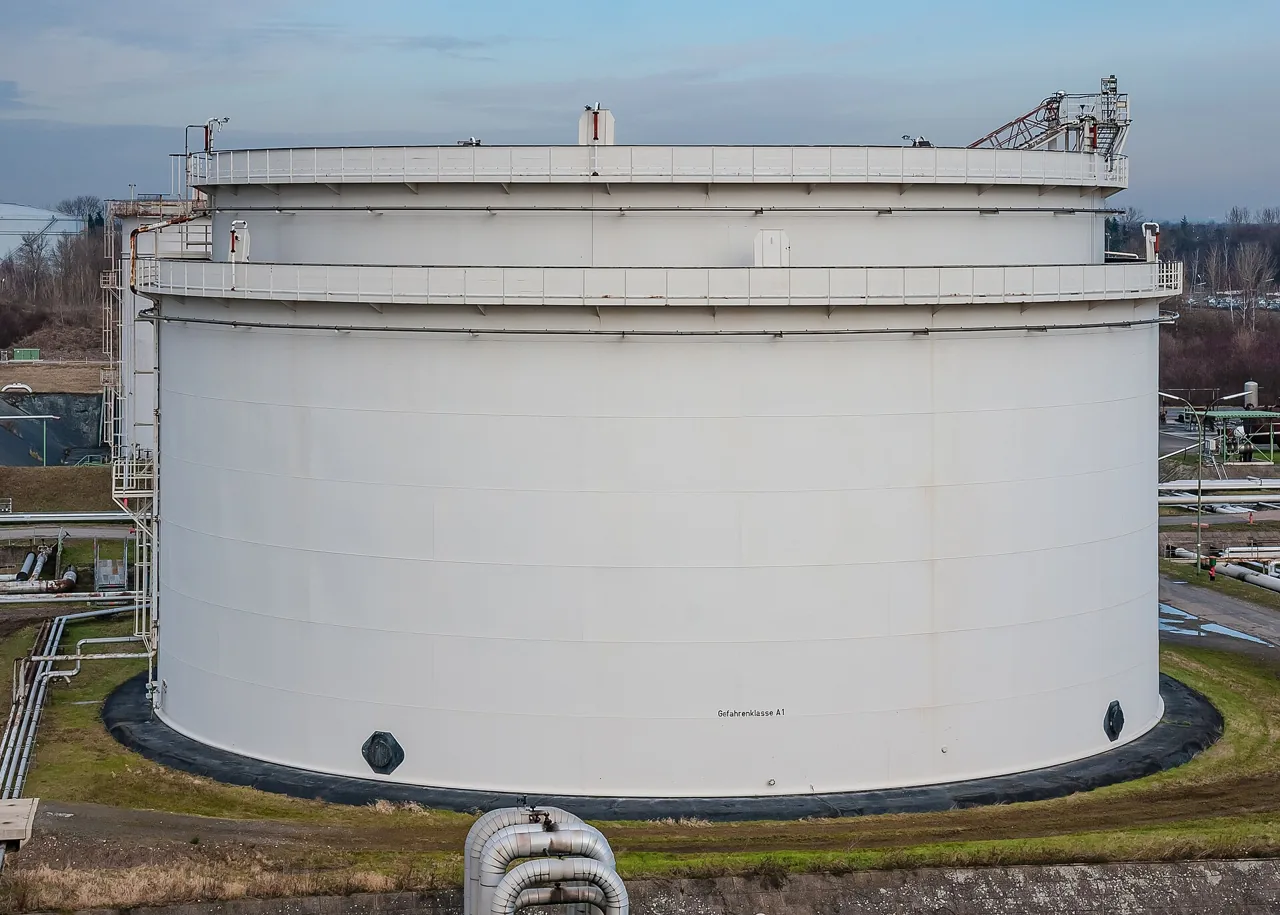
RO before DI
RO means reverse osmosis, a membrane that removes most of the dissolved solids before the water ever reaches the resin. It wastes some water to drain and it needs decent pressure, but it makes the resin last many times longer. Almost every serious system is RO first, then a DI vessel polishing what is left down to zero.
Buy a TDS meter and use it. Check the incoming supply, check after the membrane, check at the pole. When the reading at the pole starts creeping up, the resin is spent and you are about to start leaving spots on two hundred houses without knowing it. Meters cost very little and save entire days of rework.
None of this needs to be complicated. Water in, minerals out, nothing left to dry on the glass. Anyone making it sound more technical than that is usually about to sell you something. ▪