
A water-fed pole will do the front of a standard semi faster than you can get a ladder off the van, level it, climb it and come back down. Nobody sensible argues with that. On a terraced street where every house is the same height and the ground is flat, the pole wins every time and your knees last another ten years.
The trouble starts when the job stops being standard. Deep sills covered in years of mortar dust. A conservatory roof that needs someone actually looking at it. Leaded lights where the pole pushes dirty water into the came and it runs back out an hour later in streaks. Shop fronts with heavy traffic film that needs a scrim and an elbow, not a rinse.
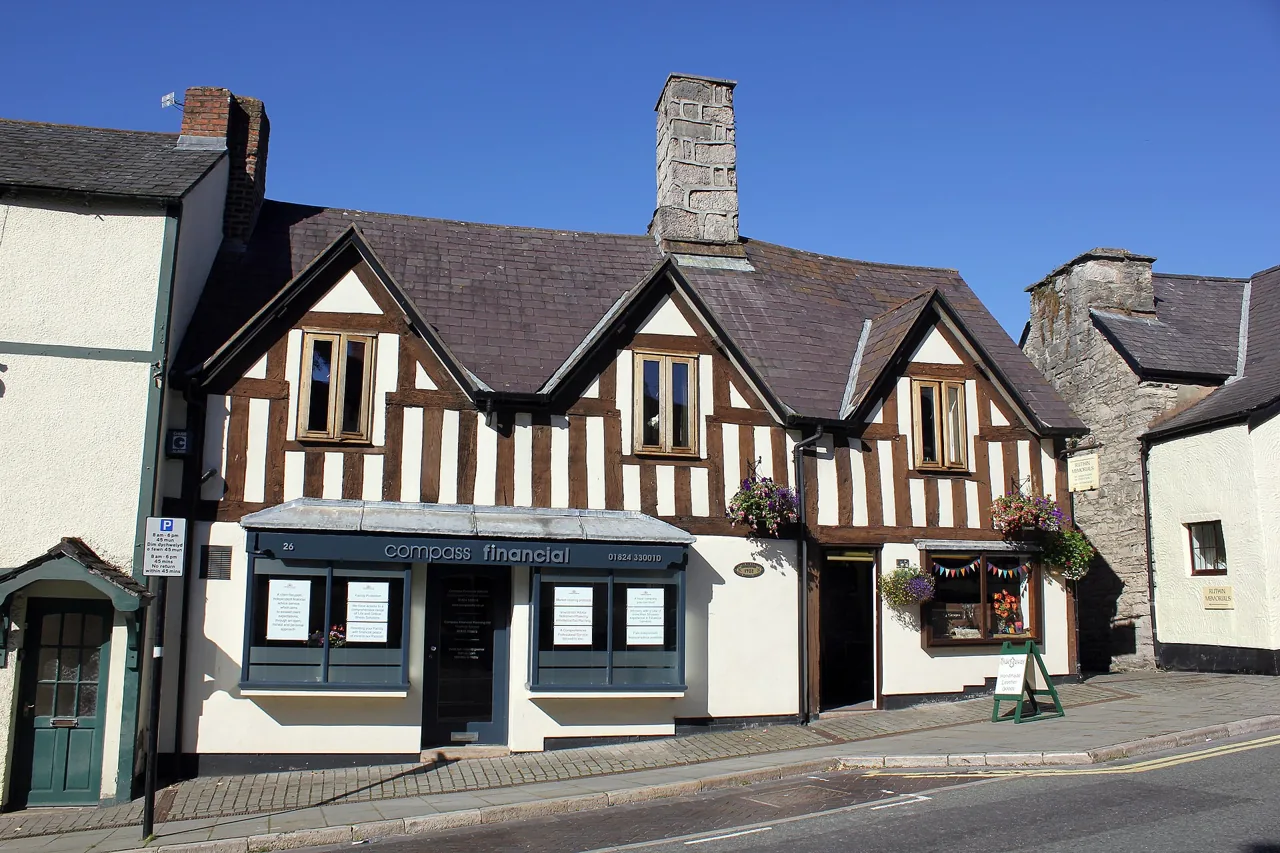
Where the pole stops working
There is also the matter of what the customer sees. A pure water finish dries clear, but it dries clear eventually, and a certain kind of customer wants to watch the glass go clean in front of them. On first cleans especially, I will do the ground floor traditionally even when the pole would manage it, because the difference between wet glass and finished glass is not obvious to somebody standing in their own kitchen.
The honest split on my round is about seventy thirty. Seventy per cent pole, and thirty per cent that would be slower, worse or simply impossible without getting up there. Anyone selling you a system that claims a hundred per cent has not cleaned a Victorian bay in Denbighshire in February.
What has changed is that the ladder is no longer the default. It comes off the van for a reason, the reason is usually access or finish, and it goes back on afterwards. That is a healthier way to work than the old habit of climbing everything because climbing was all we had. ▪