
Frost is the one that stops work outright. Not because the glass cannot be cleaned, but because the water freezes on it, and because everything you put a ladder on is suddenly a hazard. If it has not been above freezing overnight I do not start before ten, and if the pavement is still white at ten I do not start at all.
Wind is more common here than frost and more often the real problem. A pole at thirty feet in a gust behaves like a sail, and the higher the section the less warning you get. There is a point where you are not cleaning windows, you are wrestling carbon fibre, and the honest thing is to stop. Nobody has ever complained about being cleaned a week late. Falling from a ladder in a gust is a different conversation.
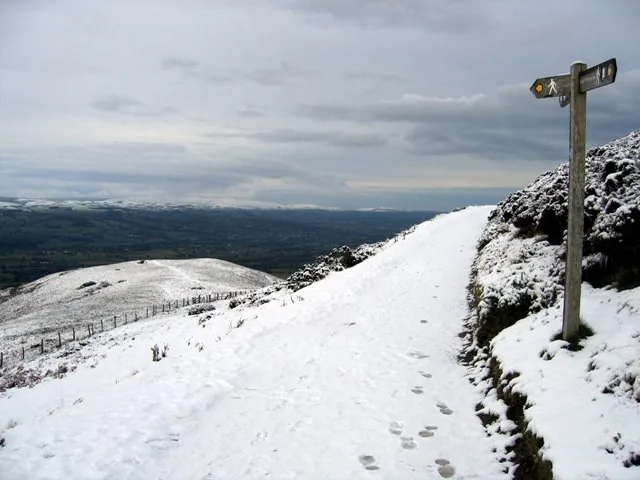
Wind is the real problem
Short days matter more than people expect. From late November to late January you have perhaps seven usable hours in decent light, and the last of them are not good enough to see whether the glass is actually clean. Plan the fiddly work for the middle of the day and the straightforward frontages for the ends.
The compensation is that winter is when customers notice their windows. Low sun through dirty glass is unforgiving, and the enquiries that come in during January are from people who have been looking at it all through Christmas. It is the best month of the year for picking up new work and the worst for actually doing it.
Keep the round tight in winter. A run of houses in one village is worth two spread across the county when it takes twenty minutes to set up and the light goes at four. ▪