
A polycarbonate conservatory roof will not hold you. Not a knee, not a foot, not for a second. The sheets are supported at the glazing bars and the span between them is designed for snow load spread across the whole roof, not for a person concentrated on one point. People still put a foot on them every year and go through, and the injuries are severe because you land on furniture through a hole full of broken plastic.
Glass roofs are stronger and the temptation is worse. Some are toughened, some are laminated, some are old and nobody knows what they are. Unless you have documentation you do not have information, and a conservatory built in the nineties by whoever was cheapest is not a structure to gamble on.
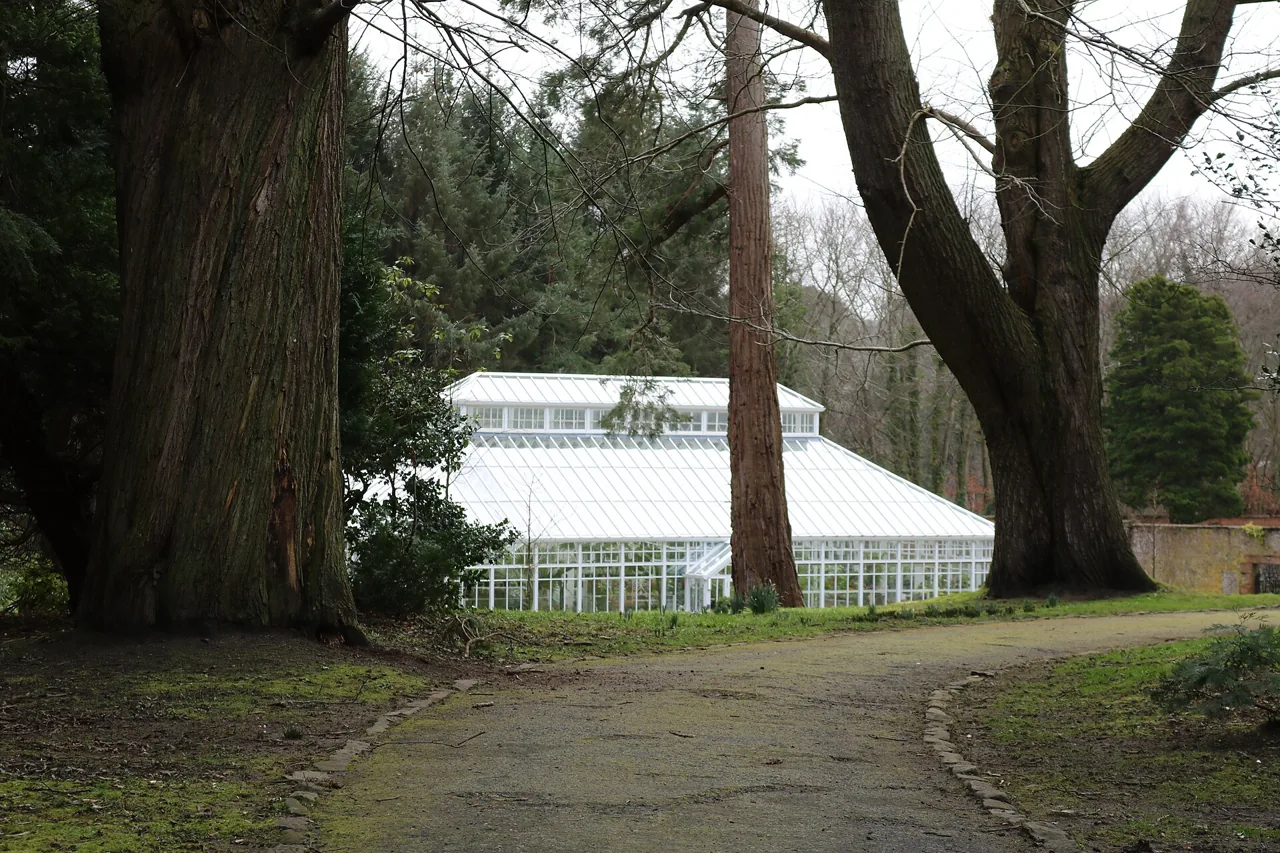
Doing it from the ground
So it is done from the ground or from a proper platform. A pole with an angle adapter reaches most domestic conservatory roofs comfortably, and a soft brush with plenty of flow will shift moss and the green film that builds up on the north side. It is slower than walking on it. Everything is slower than the thing that puts you in hospital.
Gutters between a conservatory and the house are the other hazard, because that is where people bridge a ladder across the roof to reach. If you cannot get a ladder footed on solid ground with a stand-off keeping it clear of the glazing, the job needs a tower, or it needs declining.
Price conservatory roofs separately and generously. They are dirty, awkward and the customer notices the result more than on any other part of the house, which makes them good work when they are done properly. ▪